Regional food coordination infrastructure

The American food system used to absorb shocks. Now it cascades them.

The American food system used to have regional redundancy. Decades of industrial consolidation stripped most of it out, replacing distributed networks with a handful of operators thousands of miles from where the food gets eaten. The result is a system that runs efficiently until it doesn't. Terra rebuilds regional redundancy by reconnecting the producers and buyers who already exist in a place but can't reliably find each other.

Our first pilot launches in Questa, New Mexico in Q4 2026.

Regional food coordination

Reconnecting Northern New Mexico's food system, one relationship at a time.

Almost all the food eaten in New Mexico arrives from somewhere else. The producers who could grow more for their neighbors have no time to find buyers. The buyers who want to source locally can't see what's available, so they default back to distributors that are easier to order from.Almost all the food eaten in New Mexico arrives from somewhere else. The producers who could grow more for their neighbors have no time to find buyers. The buyers who want to source locally can't see what's available, so they default back to distributors that are easier to order from.

Terra Food Resilience Network closes that gap. We work in Questa and the surrounding Questa–Taos corridor, connecting producers with the grocers, restaurants, kitchens, and institutions that want to buy from them, and staying in the conversation until the orders hold.

Our first work begins in Questa in August 2026.

The problem

Shocks to the food system aren't the problem. Lack of system resiliency is.

Drought, fuel spikes, fertilizer shortages, federal cuts. The disruptions driving food prices are not problems any one region can solve. What decides whether they do damage in a place is what's already there: producers, buyers, and the working connections between them.

Northern New Mexico has almost none of those connections left. An estimated 95 percent or more of the food eaten in New Mexico is imported. Even the food grown here often can't find the buyers here who would want it. Producers have no time to find them. Buyers can't see what's available. Both default to distant supply chains.

~95%

of the food eaten in New Mexico is imported

~$5 billion

spent on food by New Mexicans each year, almost all of it leaving the state

2023

the year Questa lost its only supermarket
Our solution

The connections are the part we can fix now.

Rebuilding a regional food system takes work across many fronts: water, soil, processing, storage, finance, producer support. Most of that takes capital, many partners, and many years.

The piece that doesn't is the connection layer itself: the relationships between producers and buyers who already exist in this region but operate as strangers to each other. Reconnecting them is the cheapest repair available, and it's what makes every other investment work. A new mill, a delivery route, a processing facility all launch into stronger systems when the buyer relationships underneath them already hold.

That's Terra's job. Not the whole answer. The part that makes the rest of the answer possible.

The pilot

Our first pilot. Questa, New Mexico. Q4 2026.

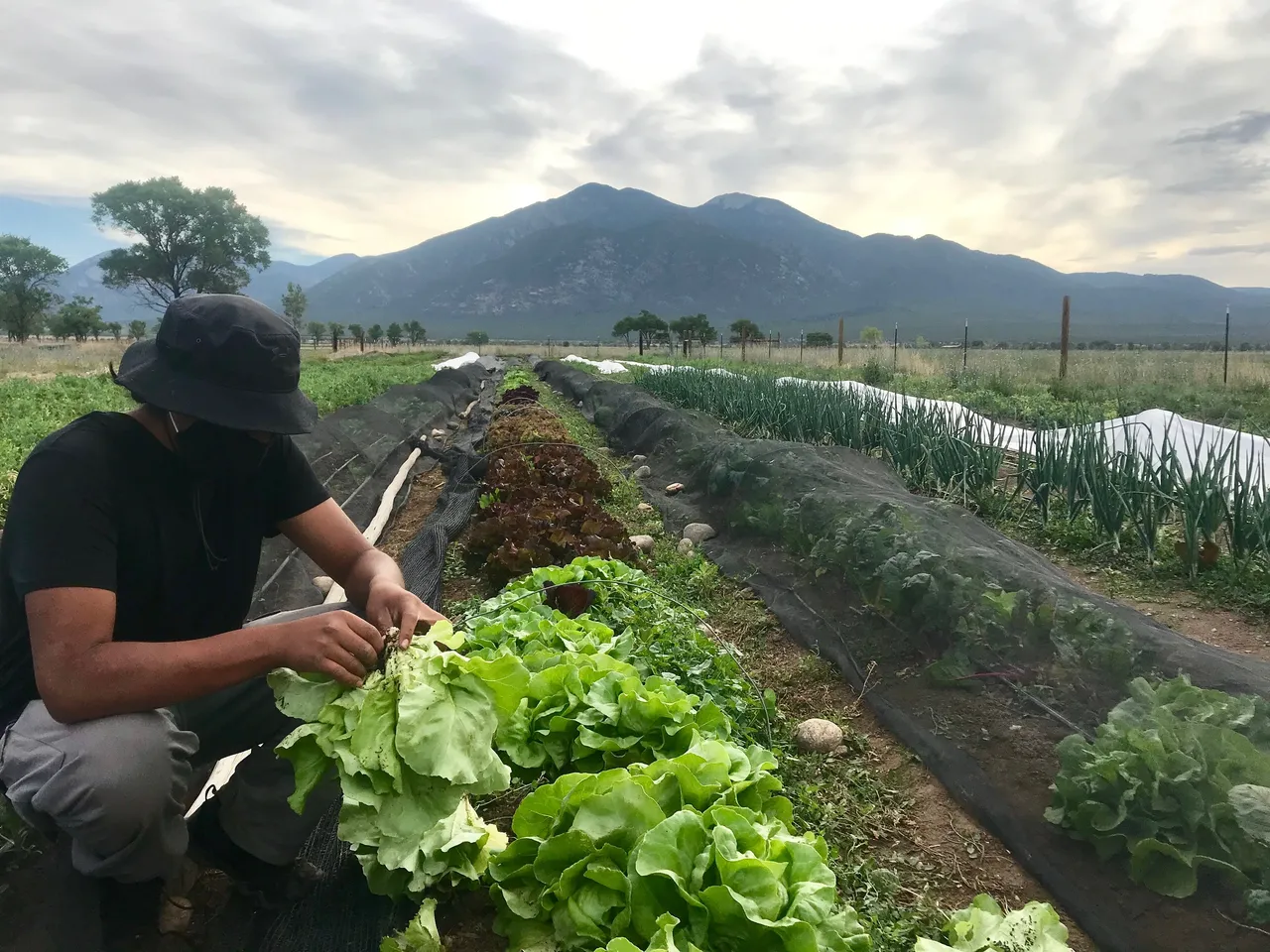
Questa is a village of roughly 1,800 in Northern New Mexico, rebuilding its economy since the molybdenum mine closed. It's also unusually ready: an operating regional mill, a 47-year organic farm, a locally owned grocery working as a food security lifeline, ranchers in the surrounding country. The pieces are here. Terra's first pilot is a five-month foundation build, August through December 2026, anchored on Metate Mill.

Metate Mill

Metate Mill

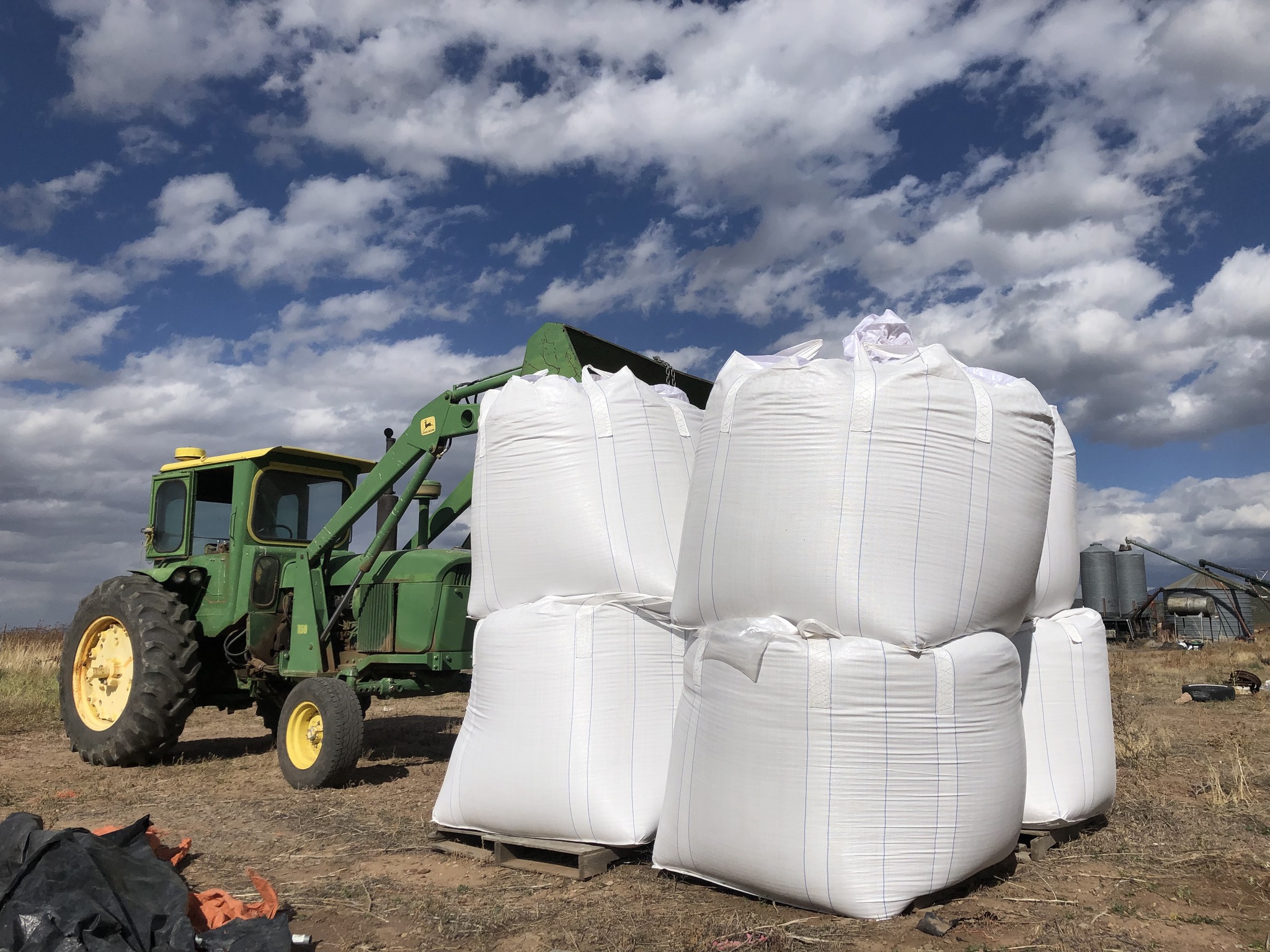
In Questa, an emerging regional mill is coming online with a large contract for organic wheat grown nearby, across the Colorado border and in Costilla. Daniel Hutchinson can grow and mill the grain. What he can't do alone is keep the flour here. Without committed local buyers, the flour follows the easiest commercial path: buyers who will take the volume and distribute it wherever the market takes it, almost certainly out of the region. Keeping it local means many steady buyers instead of one bulk sale, and that coordination is Terra's work: building and committing the regional buyer base (bakeries, restaurants, grocers, co-ops, and institutions) so the mill launches into a ready market and the flour feeds the region that grew it.

Questa-area ranchers

Questa-area ranchers

Cattle ranching in this part of New Mexico runs deep. It traces back to the communal grazing traditions of the Spanish and Mexican land grants, and for generations it has been both a livelihood and a thread of cultural identity. That tradition is under real pressure now. Drought, shrinking water, and rising costs are pushing ranchers to scale back or sell out, and the cattle that remain mostly move through distant auctions and leave the region before any of it reaches the people who'd buy it here.

Terra's work is to open regional routes for the ranchers who still have a fighting chance, matching them with buyers close to home so more of the value, and more of the meat, stays in the region. The Sangre de Cristo Valley Market has already signaled it wants to carry local meat it isn't sourcing yet. That's the kind of connection Terra exists to build.

Farms and institutions

Farms and institutions in the regional fabric

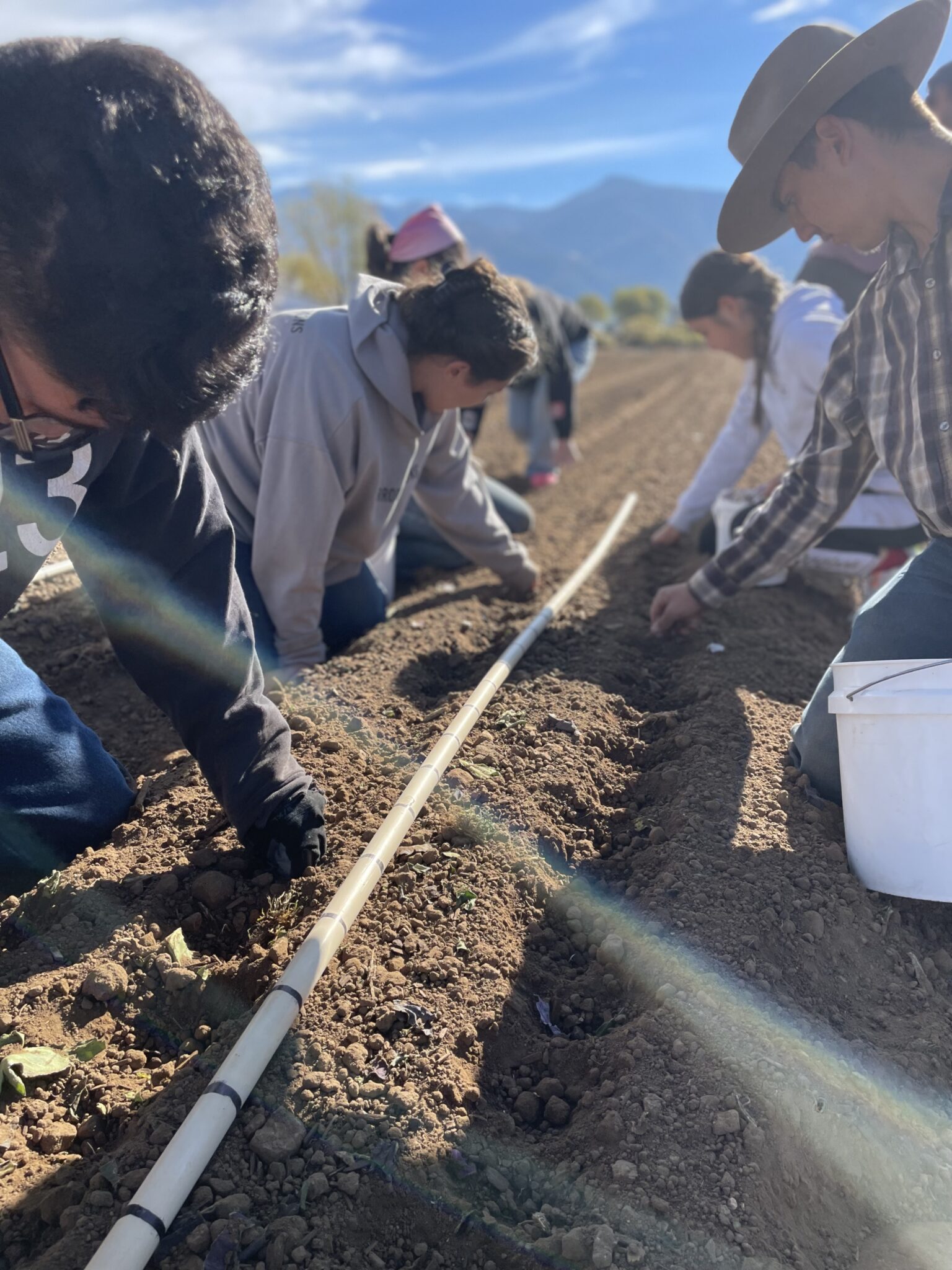
Questa and the surrounding region hold more than a mill and its ranchers. There are long-standing farms here, like Cerro Vista, a 47-year organic operation that wholesales to area schools, restaurants, and stores and trains the next generation of growers through Cultivo, Localogy's youth program. There's the Sangre de Cristo Valley Market, the village's only locally owned grocery and a food security lifeline for the communities around it.

These are the kinds of operations Terra is built to serve. As the work develops, the opportunities are real: helping established farms reach steadier regional buyers, opening the kind of contracts that could expand what programs like Cultivo offer their growers, helping a community grocery grow its local sourcing. None of this replaces the relationships and trust that have to be built first, in conversation, over time. It points to what becomes possible when the coordination is there.

Medium length section heading goes here

Morbi sed imperdiet in ipsum, adipiscing elit dui lectus. Tellus id scelerisque est ultricies ultricies. Duis est sit sed leo nisl, blandit elit sagittis. Quisque tristique consequat quam sed. Nisl at scelerisque amet nulla purus habitasse.

Nunc sed faucibus bibendum feugiat sed interdum. Ipsum egestas condimentum mi massa. In tincidunt pharetra consectetur sed duis facilisis metus. Etiam egestas in nec sed et. Quis lobortis at sit dictum eget nibh tortor commodo cursus.

Odio felis sagittis, morbi feugiat tortor vitae feugiat fusce aliquet. Nam elementum urna nisi aliquet erat dolor enim. Ornare id morbi eget ipsum. Aliquam senectus neque ut id eget consectetur dictum. Donec posuere pharetra odio consequat scelerisque et, nunc tortor. Nulla adipiscing erat a erat. Condimentum lorem posuere gravida enim posuere cursus diam.

Label

Lorem ipsum

Label

Lorem ipsum

Label

Lorem ipsum

Label

Lorem ipsum
What we do

A farmer shouldn't have to be a salesperson too.

Growing food is already more than a full-time job. Finding buyers, learning what wholesale requires, chasing down grants, tracking who needs what and when: that's a second job most producers have no time for.

Terra Food Resilience Network takes it on. We find the buyers and make the introductions, so a producer can plan a season around real demand instead of guessing. We keep track of the funding, research, and expertise out there and connect people to it. We stay in the conversation until the relationships become the producer's own accounts, not ours. And we do the same for buyers, who have their own reasons local sourcing is harder than it should be.

We put particular effort where the region's future is at stake: demand for low-water and traditional crops that fit this land, and keeping regionally grown food on the shelves where people here actually shop.

The Network is not a distributor, a warehouse, or a marketplace. We're the coordination underneath, so the people who grow food here can keep growing it.
Beyond 2026

Scale what works in Questa.

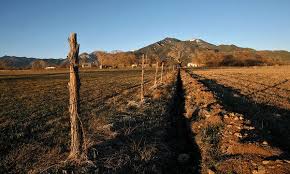
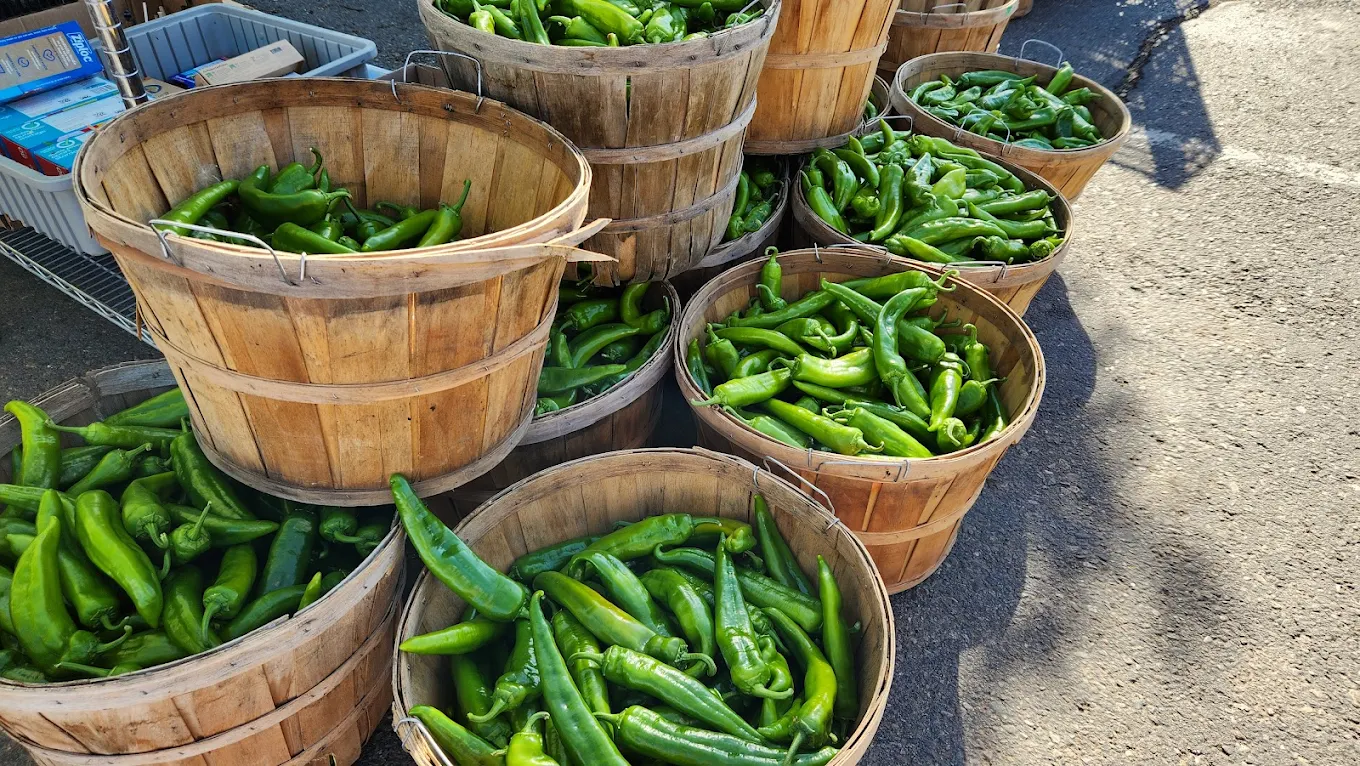
Taos is the next place this scales. A regional distribution route is currently forming there, alongside the potential of a local food hub and a sellers cooperative. Each of these is the kind of infrastructure that could shorten the long supply chain trucking Taos's produce up from California and Mexico when much of it could come from regional growers in the San Luis Valley. Each faces the same problem regional mills do. It's the chicken-and-egg of new food infrastructure: the route needs committed buyers, the hub needs producers, the cooperative needs both. No one commits before the others exist. That's a coordination problem, and it's the one Terra is built to solve. Our intention is to work alongside each of these efforts to reconnect the regional food system, so the region can absorb the shocks already arriving.

Beyond Taos, the natural geography is the corridor from Boulder to Albuquerque: distinct regional food economies that share supply sheds, climate realities, and many of the same coordination gaps. The model adapts to what each region already has. Wherever those gaps exist, it can travel.

Who we are

Built by people who've done this work.

Terra Food Resilience Network is led by a founder with direct experience connecting producers and buyers in relationship-driven agricultural markets, matching farmers with buyers, negotiating terms, and building the trust that makes deals hold. She's supported by collaborators with deep hands-on experience in farming and regional food systems, including seventeen years managing farms and running farm-to-table production for commercial kitchens.

The Network is a fiscally sponsored program of Localogy, a Questa 501(c)(3) working in community and economic development since 2008. Our launch is supported by the LOR Foundation. We work alongside the producers, buyers, and community organizations already doing this work across the region. The Network is built to strengthen that work, not compete with it.

Project updates

Field Notes

Short notes from the work: what we're doing, who we're talking to, and what we're learning as we go.

Aug, 3, 2026

The work begins

Listening sessions in Questa start this month, plus the first conversations with producers and buyers across the corridor.
Jun, 23, 2026

First funding, and fiscal sponsorship

An $18,300 grant from the LOR Foundation launches the work in Questa. Terra Food Resilience Network begins as a program of Localogy, a Questa 501(c)(3).
Founder and team

Who we are.

Krista leads the work, supported by collaborators with deep hands-on experience in farming and regional food systems.

This matters more than it might seem. Wheat is a staple, the caloric backbone of a food supply, and it uses roughly half the irrigation water of the alfalfa and pasture grasses that cover most irrigated acreage here and across the San Luis Valley. In a region this water-constrained, a staple that needs less water, gets milled in Questa, and travels a short distance to the people who eat it is exactly the kind of food infrastructure that makes the region more resilient when the long supply chains wobble. The calories stay close to home, and so does the money.

Krista Woolhiser
Founder and Executive Director

Terra's core work is something Krista has done directly: connecting producers and buyers and building the trust that makes them rely on each other. As a sourcing agent in a relationship-driven agricultural market, she matched farmers with buyers, negotiated terms, and earned the trust that made deals hold. In Taos, she built the operational backbone of the Taos TimeBank, the onboarding and member systems behind a local trust-based exchange network. At Lyft, she helped take a data-operations program from scrappy startup to national scale. A permaculture apprentice and farm worker herself, she is in this for the long haul.

KC Steimer
Regional Food Systems Manager

KC brings 17 years in food systems, from field to buyer. She has managed farms from 3,000 square feet to 32 acres, most recently supervising a 13,000-pound harvest season for the Nisqually Tribe's Medicine Creek Garden. She holds a degree in urban agriculture along with permaculture, arborist, and master composter credentials. Her farm-to-table work supplying four event venues gives her direct fluency in what chefs and institutional buyers need. She has been the farmer and run the buyer relationship.

We're hiring!

Lorem ipsum dolor sit amet, consectetur adipiscing elit.