
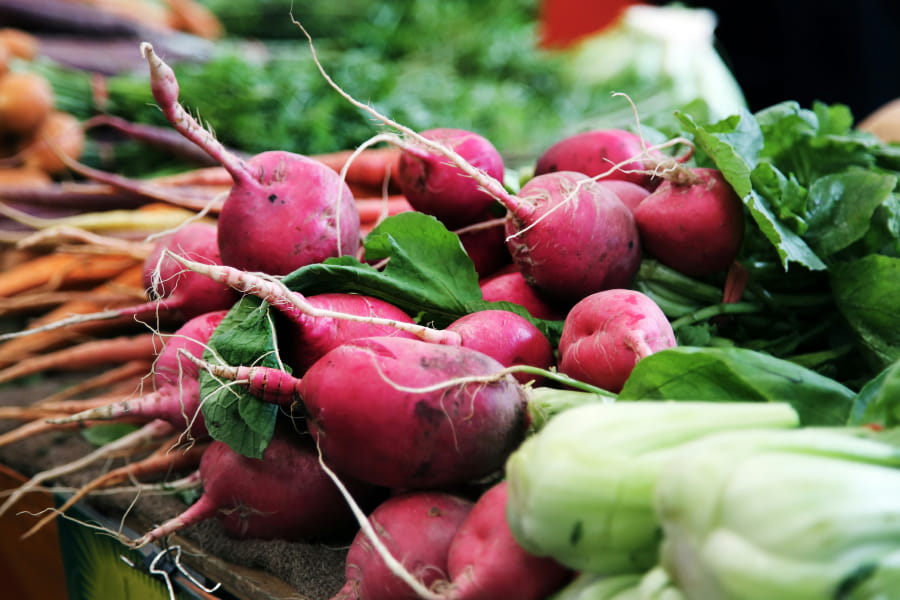
Reconnecting Northern New Mexico's food system, one relationship at a time.
Almost all the food eaten in New Mexico arrives from somewhere else. The producers who could grow more for their neighbors have no time to find buyers. The buyers who want to source locally can't see what's available, so they default back to distributors that are easier to order from.
Terra Food Resilience Network closes that gap. We work in Questa and the surrounding Questa–Taos corridor, connecting producers with the grocers, restaurants, kitchens, and institutions that want to buy from them, and staying in the conversation until the orders hold.
Our first work begins in Questa in August 2026.
Shocks to the food system aren't the problem. Lack of system resiliency is.
Drought, fuel spikes, fertilizer shortages, federal cuts. The disruptions driving food prices are not problems any one region can solve. What decides whether they do damage in a place is what's already there: producers, buyers, and the working connections between them.
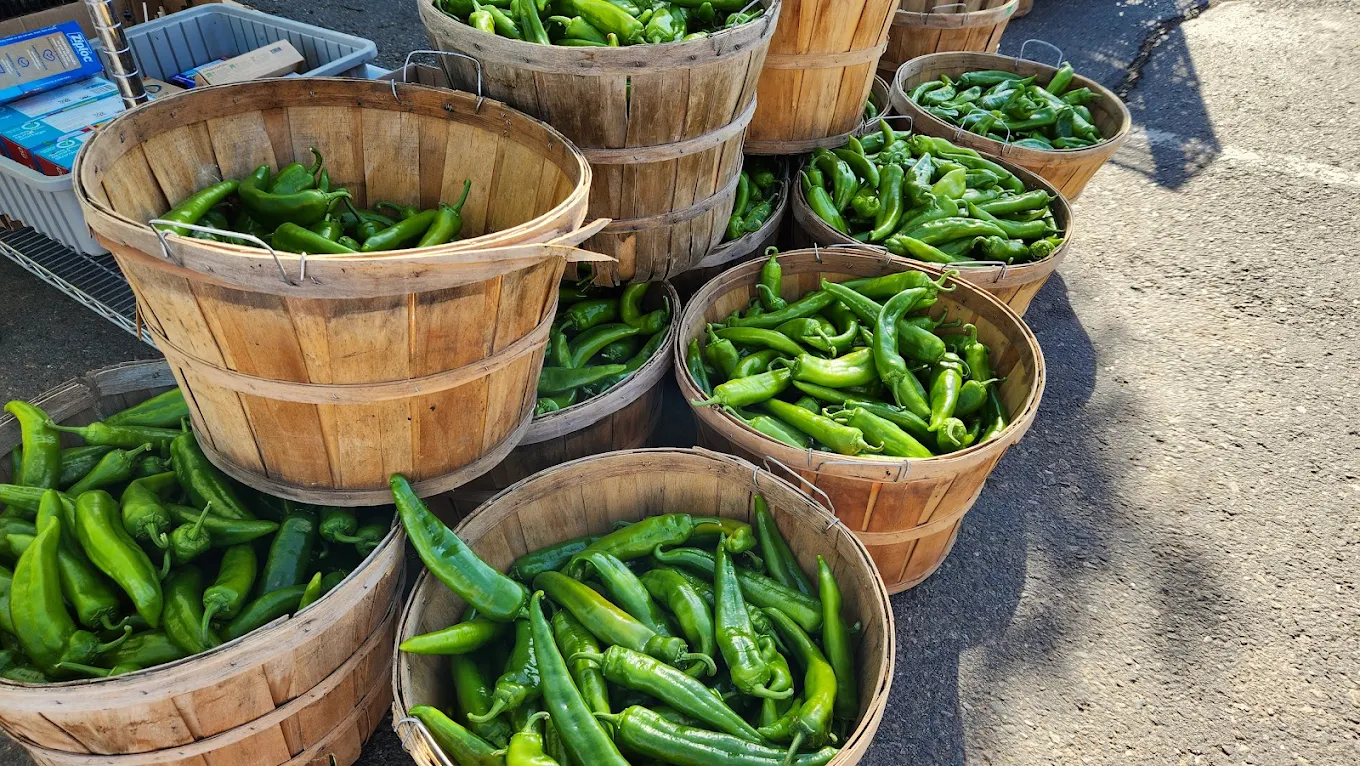
Northern New Mexico has almost none of those connections left. An estimated 95 percent or more of the food eaten in New Mexico is imported. Even the food grown here often can't find the buyers here who would want it. Producers have no time to find them. Buyers can't see what's available. Both default to distant supply chains.
of the food eaten in New Mexico is imported
spent on food by New Mexicans each year, almost all of it leaving the state
the year Questa lost its only supermarket




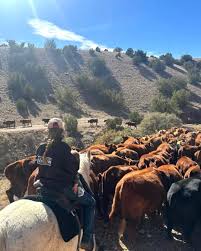
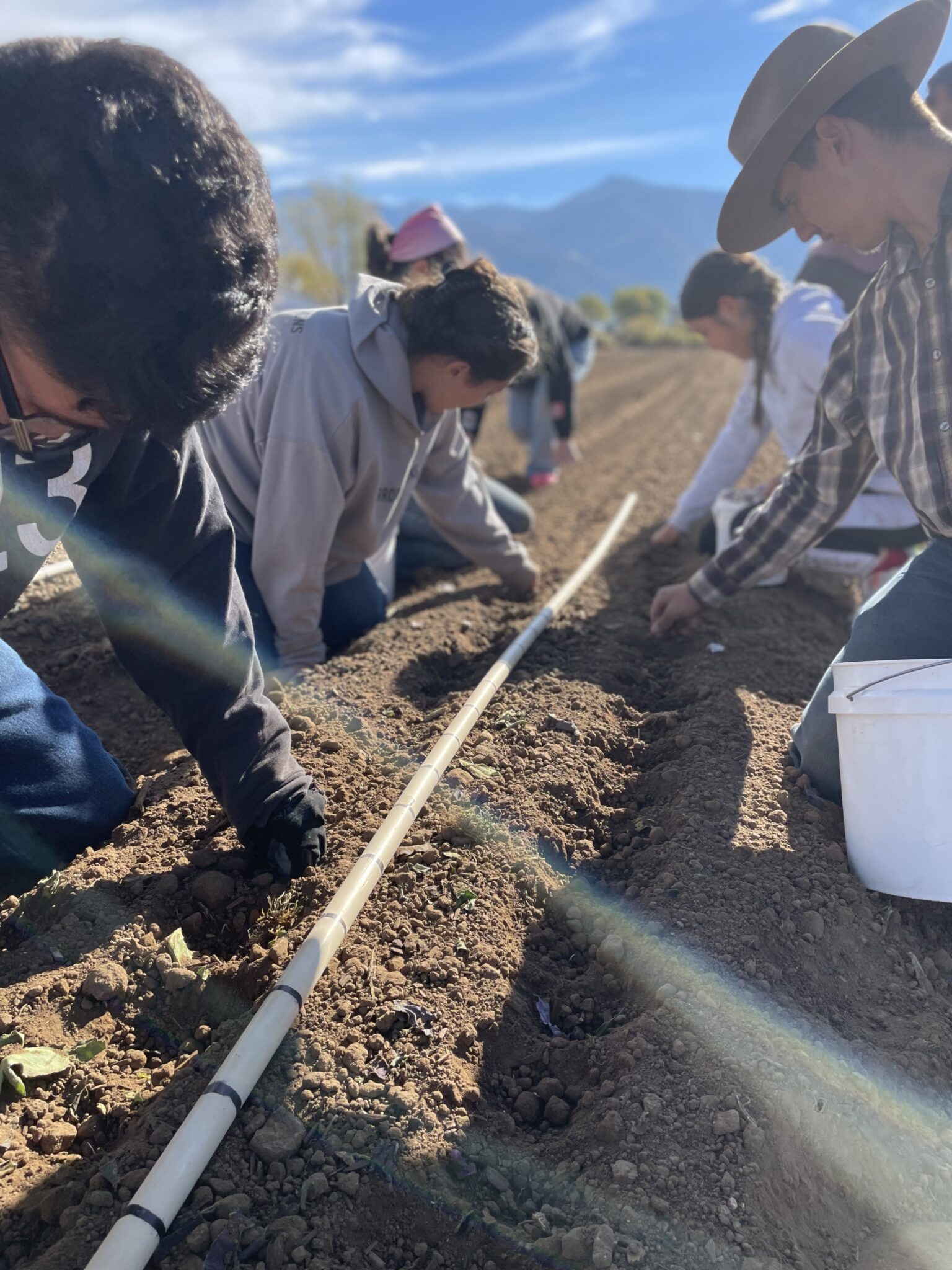
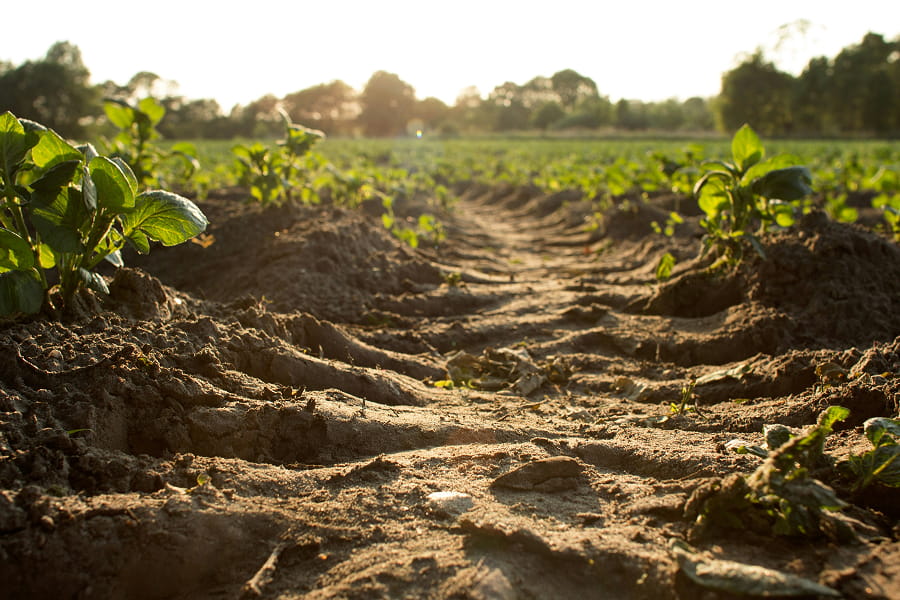
A farmer shouldn't have to be a salesperson too.
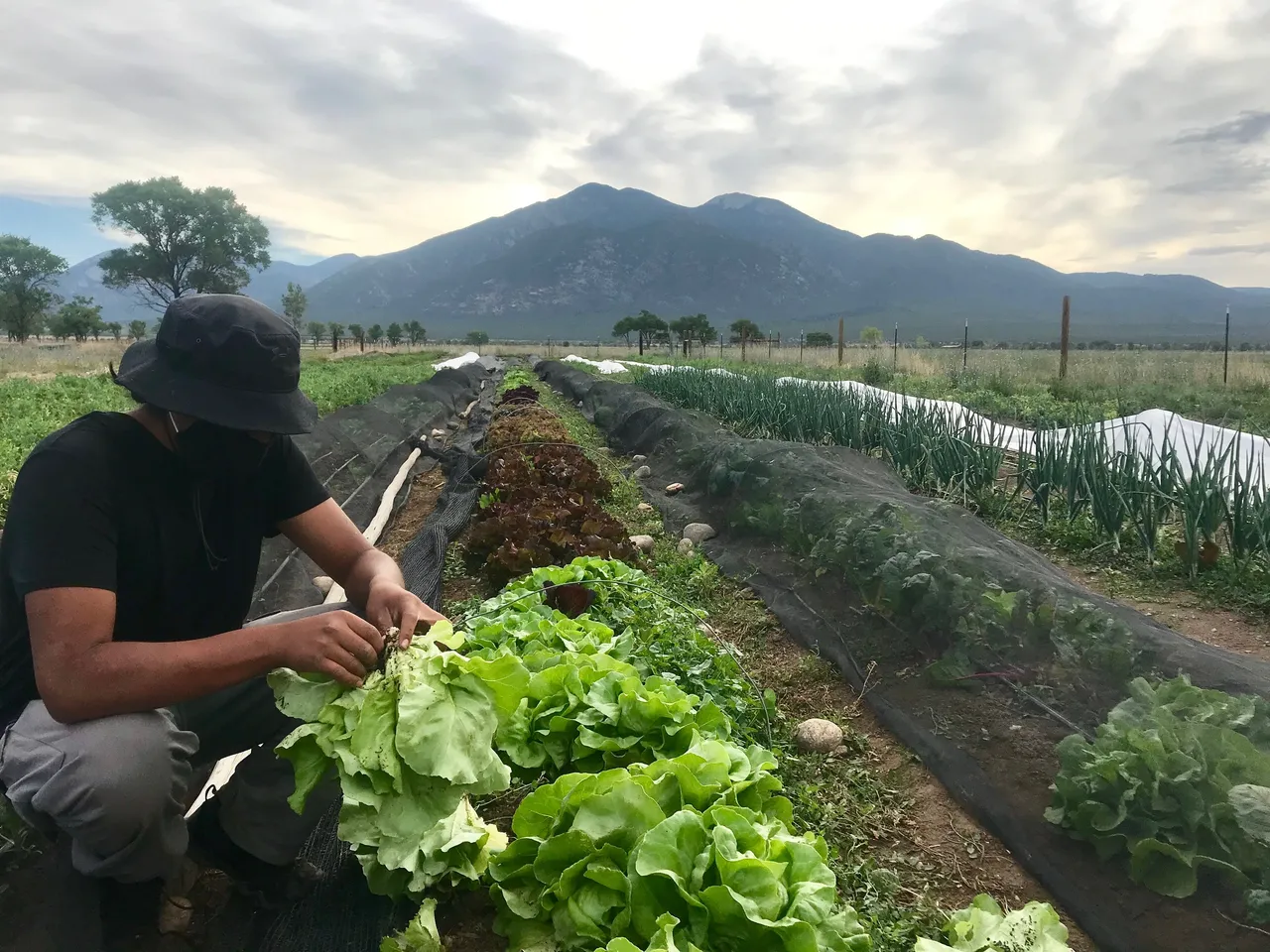
Growing food is already more than a full-time job. Finding buyers, learning what wholesale requires, chasing down grants, tracking who needs what and when: that's a second job most producers have no time for.
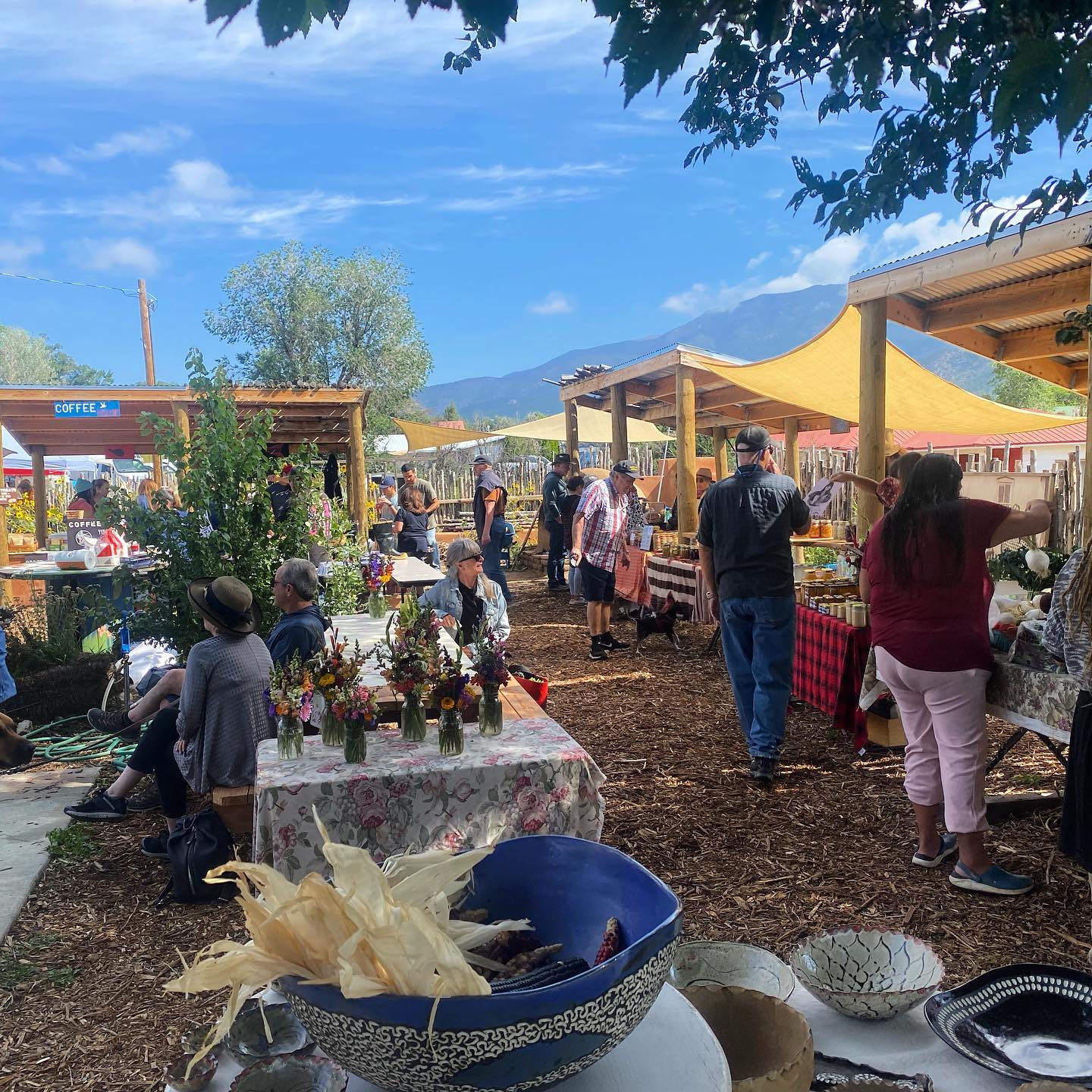
Terra Food Resilience Network takes it on. We find the buyers and make the introductions, so a producer can plan a season around real demand instead of guessing. We keep track of the funding, research, and expertise out there and connect people to it. We stay in the conversation until the relationships become the producer's own accounts, not ours. And we do the same for buyers, who have their own reasons local sourcing is harder than it should be.
We put particular effort where the region's future is at stake: demand for low-water and traditional crops that fit this land, and keeping regionally grown food on the shelves where people here actually shop.
The Network is not a distributor, a warehouse, or a marketplace. We're the coordination underneath, so the people who grow food here can keep growing it.
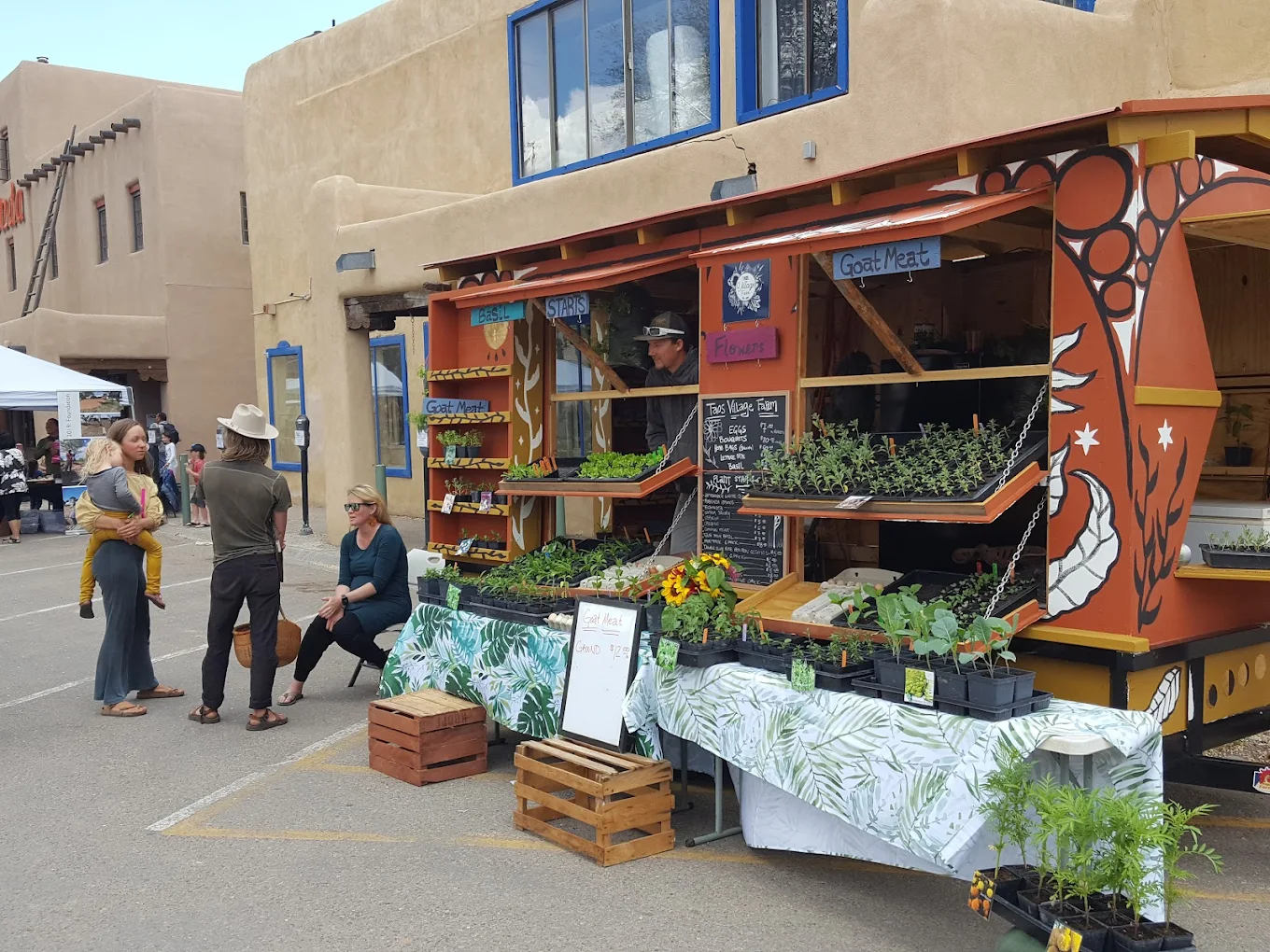
Built by people who've done this work.
Terra Food Resilience Network is led by a founder with direct experience connecting producers and buyers in relationship-driven agricultural markets, matching farmers with buyers, negotiating terms, and building the trust that makes deals hold. She's supported by collaborators with deep hands-on experience in farming and regional food systems, including seventeen years managing farms and running farm-to-table production for commercial kitchens.
The Network is a fiscally sponsored program of Localogy, a Questa 501(c)(3) working in community and economic development since 2008. Our launch is supported by the LOR Foundation. We work alongside the producers, buyers, and community organizations already doing this work across the region. The Network is built to strengthen that work, not compete with it.
Field Notes
Short notes from the work: what we're doing, who we're talking to, and what we're learning as we go.